2026-10-24 ·
Local Tree and Wildlife Effects on Oakley Chimneys
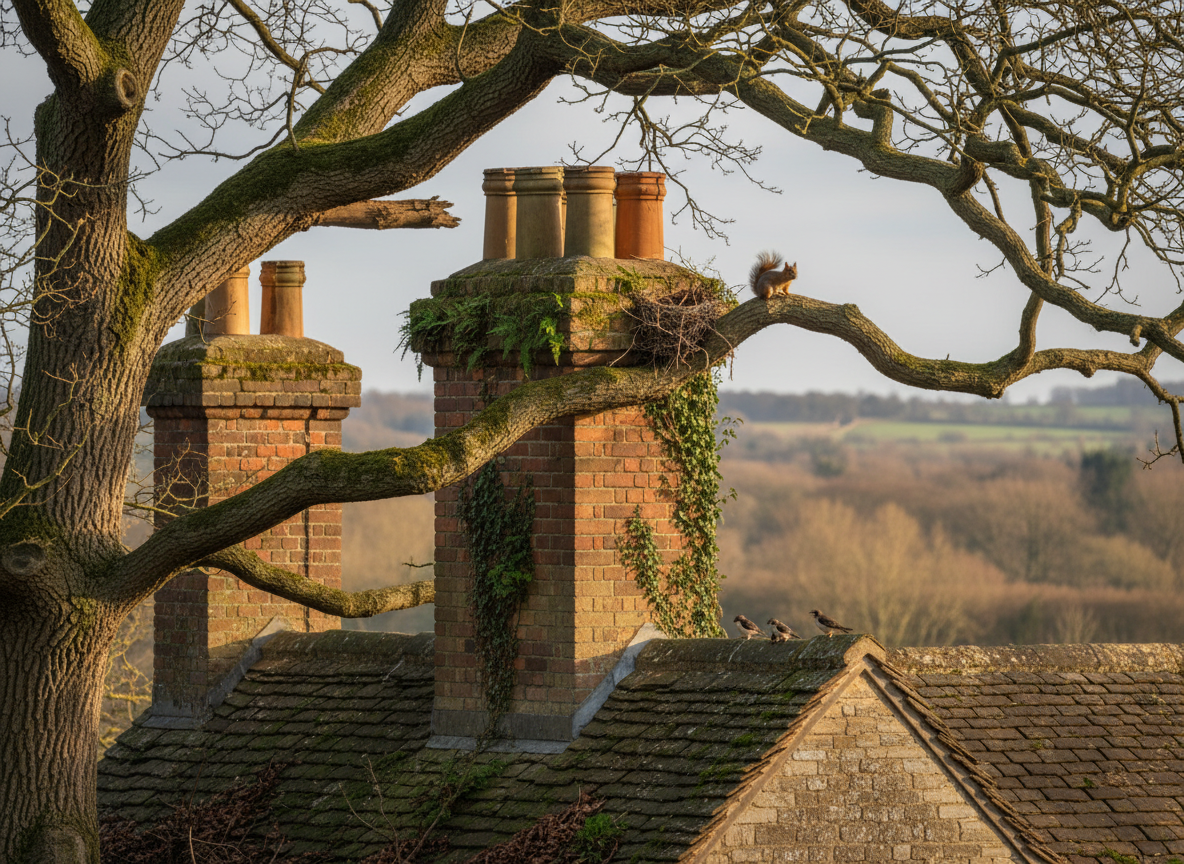
Trees and wildlife in Oakley create chimney problems through falling branches, leaf buildup, and animal nesting that blocks flues or damages crowns within a few seasons. Homeowners in Oakley East and Oakley West see these effects on brick and stone chimneys common to the neighborhood's older housing stock. The mix of mature maples and oaks near Hyde Park and Madisonville increases debris loads during fall and spring, while squirrels and birds seek warm flues for shelter once temperatures drop.
Overhanging Branches and Debris Loads
Mature trees along streets in Oakley West and nearby Evanston drop limbs and leaves that land directly on chimney tops. These materials collect on crowns and flashing, holding moisture against masonry and accelerating mortar breakdown. In Pleasant Ridge and Norwood, similar tree cover adds extra weight during heavy rains, pushing loose bricks or widening existing gaps. Regular removal of debris prevents water from seeping into the flue liner and causing interior staining. Homeowners notice reduced draft when leaves pack the top opening, forcing smoke back into living spaces during winter use.
Squirrel and Bird Nesting Patterns
Squirrels from wooded pockets near Mount Lookout and Kennedy Heights enter uncapped chimneys to build nests using insulation and twigs. These nests block airflow and can ignite when fires are lit, creating fire hazards in older Oakley homes. Birds such as starlings and chimney swifts settle in flues throughout East Walnut Hills and Walnut Hills, leaving droppings that corrode metal liners over time. The animals enter through gaps as small as four inches, common in pre-1960s construction found across the Oakley area. Nest removal requires care to avoid disturbing active young during spring months.
Soil and Root Effects on Chimney Bases
Tree roots in the clay-heavy soils of Oakley and Silverton push against foundation walls supporting chimneys, creating small shifts that crack mortar joints at the roofline. These movements worsen during freeze-thaw cycles typical of Hamilton County winters. Roots also pull moisture from the ground near Paddock Hills and Carthage, drying soil and allowing chimneys to settle unevenly. Inspection of the base after leaf drop reveals early signs of separation between the chimney and roof deck. Addressing root pressure early keeps repairs limited to tuckpointing rather than full rebuilding.
Practical Steps for Oakley Homeowners
Schedule a visual check from the ground each fall before leaves fall, noting any new debris piles or animal activity around the chimney. Trim branches that extend within ten feet of the roof edge to reduce direct hits from limbs. Install a properly sized cap to limit entry points for wildlife while still allowing proper venting. When damage appears, review chimney cap repair options or chimney maintenance schedules that match local conditions. For signs of cracking after storms, see the guidance in Spotting Chimney Cracks After Spring Storms and How to Inspect Chimney Draft Problems in Older Oakley Homes. These steps keep flues clear and masonry intact through seasonal changes in the Oakley area.